
Future-Proofing Generosity: The Case for Planned Giving

Investing & Markets
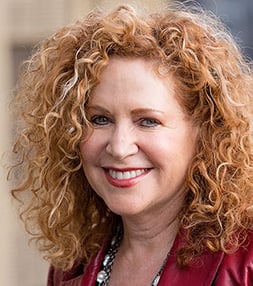
Randy Kaufman
By Randy Kaufman
Randy is an advisor based in our NYC office. · March 21, 2025 · 5 min read

This article was originally published by Acumen on December 18, 2024

We spoke with Acumen Partner Randy Kaufman about why making an estate plan that includes Acumen should be a priority and how to get the next generation involved in charitable giving.

Q. You’ve been involved in philanthropy since the ‘90s. Can you tell us about your charitable giving journey and what brought you to partner with Acumen?

A. My philanthropic journey started in the nineties when I saw extreme poverty during my travels as an investment banker, specifically while on a trip to Venezuela.  I was particularly moved by the microfinance model, and over the years as my career transitioned into wealth management, I discovered impact investing. I liked the idea of aligning your investment portfolio with your values when possible. It’s an approach that resonated with my younger clients and women, so I became involved in various impact investing initiatives. When I connected to Acumen via a board member, I was curious. The model of investing in local companies and providing patient capital made so much sense to me. Then, I heard Jacqueline speak. I was hooked! It’s been almost 10 years. The cause resonates with me, and I can think of no more powerful way to help alleviate poverty than through entrepreneurship.

Q. You helped Acumen with its Planned Giving strategy. Can you elaborate more on that and why you decided to leave a planned gift?

A. I have a passion for philanthropy and for Acumen, and I realized that planned giving can help raise significant funds. I offered to help develop the planned giving strategy, pulling from what I’ve observed in my work and through research. I also decided to leave a planned gift to Acumen myself, because I see it as a way for donors to act on their vision for the future while feeling good about supporting a meaningful cause.

Q. Planning for the future is hard. Why is it important to make an estate plan and get comfortable with the process?

A. As a wealth advisor, I know the importance of financial planning. Estate planning creates a legacy of your life and ensures that what you care about now remains cared for in the future. That of course includes your loved ones, as having an inheritance can make life easier for one’s children and their spouses. But, I encourage people to also include the causes that they care about. When we choose to support a particular organization in the here-and-now, that generosity is coming from a personal place of commitment and vision. Doesn’t it make sense to care for that commitment later on, just as much as you do now?

Q. What are the benefits of a planned gift? Has it changed how you give?

A. Planned giving helps both donors and nonprofits. Planned gifts provide stability and more funds for nonprofits so that they can plan long-term. The donor can also rest assured knowing that their hard earned funds will continue working for the causes they support. I have even increased my own giving since my planned gift pledge, since I feel even more committed to Acumen’s vision.

Q. There are various ways to leave money to a nonprofit in your estate plan. What strategies make the most sense in your opinion?

A. Regardless of the vehicle, it’s crucial to be proactive about this. There are a few easy strategies. You can add an amendment to your will to designate funds to your chosen charity via cash, personal property, bonds, or stocks; donate through an Individual Retirement Account (IRA); or name the organization a beneficiary of your life insurance. You can also designate funds from a Donor Advised Fund (DAF) as long as you specify the intended recipient upon passing away.

Q. What are the best ways to get your children involved in philanthropy? What ages make the most sense? How does one go about doing that?

A. It’s so important to get children involved at a young age. Have them volunteer with you, i.e. work at a soup kitchen, or take them to visit the nonprofit organization to learn about it. Additionally, involve them in family foundation meetings to teach them about the process of giving and the importance of asking questions. Some people don’t want to talk about wealth or think it’s taboo, but it’s actually healthy and helpful to the next generation to be open about money and teach children the value of using money positively. Let them learn the value of money and how it can be used to help others through philanthropy to unlock opportunities.

Q. Is there anything else we haven’t touched on that you’d like to share?

A. Planned giving democratizes philanthropy, it’s an option for anyone who would like to leave something for Acumen in the future, no matter the amount. If you care about the work and want to see it continue to grow and be impactful for years to come, make a Planned Giving donation.

Randy Kaufman
Randy Kaufman

Randy is an advisor based in our NYC office. Read Bio ▸

Wealthspire Advisors LLC and certain of its affiliates are separately registered investment advisers. © 2026 Wealthspire

This material should not be construed as a recommendation, offer to sell, or solicitation of an offer to buy a particular security or investment strategy. The information provided is for informational purposes only and should not be relied upon for accounting, legal, or tax advice. While the information is deemed reliable, Wealthspire cannot guarantee its accuracy, completeness, or suitability for any purpose, and makes no warranties with regard to the results to be obtained from its use.

Wealthspire and its representatives do not provide legal or tax advice, and Wealthspire does not act as law, accounting, or tax firm. Services provided by Wealthspire are not intended to replace any tax, legal or accounting advice from a tax/legal/accounting professional. The services of an appropriate professional should be sought regarding your individual situation. You should not act or refrain from acting based on this content alone without first seeking advice from your tax and/or legal advisors.

Certain employees of Wealthspire may be certified public accountants or licensed to practice law. However, these employees do not provide tax, legal, or accounting services to any of clients of Wealthspire, and clients should be mindful that no attorney/client relationship is established with any of Wealthspire's employees who are also licensed attorneys.

Please Note: Limitations. The achievement of any professional designation, certification, degree, or license, recognition by publications, media, or other organizations, membership in any professional organization, or any amount of prior experience or success, should not be construed by a client or prospective client as a guarantee that he/she will experience a certain level of results or satisfaction if Wealthspire is engaged, or continues to be engaged, to provide investment advisory services, nor should it be construed as a current or past endorsement of Wealthspire by any of its clients or a third party.

Registration of an investment advisor does not imply that Wealthspire or any of its principals or employees possess a particular level of skill or training in the investment advisory business or any other business.

Certified Financial Planner Board of Standards, Inc. (CFP Board) owns the certification marks CFP®, CERTIFIED FINANCIAL PLANNER®, and CFP® (with plaque design) in the United States, which it authorizes use of by individuals who successfully complete CFP Board's initial and ongoing certification requirements.


Subscribe to our newsletter

Get the latest news & perspectives from Wealthspire.